
The holidays are often portrayed as a season of joy, connection, and celebration. Yet for many people, this time of year amplifies grief, loneliness, and a deep sense of loss. Whether you are mourning the death of a loved one, the loss of a relationship, estrangement from family, or the absence of traditions that once felt grounding, the holidays can place unique demands on your nervous system.
Viewing grief through the lens of Polyvagal Theory helps us understand why the holidays can feel so overwhelming—and how we can gently support ourselves through them.
Understanding Grief Through the Nervous System
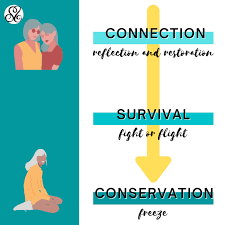
Polyvagal Theory, developed by Dr. Stephen Porges, explains how our nervous system constantly scans for safety or threat and responds through different states:
-
Ventral Vagal (Safety & Connection): When we feel safe, connected, and regulated
-
Sympathetic (Fight or Flight): When we feel anxious, overwhelmed, or activated
-
Dorsal Vagal (Shutdown or Collapse): When we feel numb, disconnected, or depleted
Loss—especially during emotionally charged seasons—can move us out of connection and into survival states. Holiday expectations, memories, social pressure, and reminders of what or who is missing may signal “danger” to the nervous system, even if nothing is consciously wrong.
If you notice yourself feeling irritable, exhausted, withdrawn, tearful, or emotionally flat, these are not personal failures—they are nervous system responses to grief.
Why the Holidays Intensify Loss
Grief is relational, and the holidays are deeply relational too. Songs, traditions, smells, and rituals can activate memories stored in the body, not just the mind. Your nervous system remembers what it was like to feel safe, connected, or loved—and it also feels the absence of that experience now.
Polyvagal Theory reminds us that we don’t think our way out of grief; we regulate our way through it.
Gentle Polyvagal-Informed Practices for the Holidays
Rather than pushing yourself to “stay positive” or power through, consider practices that support nervous system safety and flexibility.
1. Create Moments of Ventral Vagal Safety
Small moments of safety matter more than big gestures.
-
Wrap yourself in a warm blanket or hold a warm mug
-
Sit near natural light or step outside briefly
-
Listen to calming music or familiar voices that feel soothing
These cues of safety help your nervous system settle, even if the grief remains present.
2. Honor Connection—Without Overexertion
Connection doesn’t have to mean large gatherings.
-
One trusted person
-
A brief phone call
-
Time with a pet
-
Even feeling emotionally connected through music, prayer, or journaling
If social events feel overwhelming, it’s okay to shorten them or opt out. Protecting your nervous system is not selfish—it’s necessary.
3. Allow Movement for Activated Grief
If you notice anxiety, restlessness, or anger, your sympathetic system may be activated.
-
Gentle stretching
-
Walking
-
Rocking side to side
-
Slow dancing to music at home
Movement helps release stored activation and prevents grief from becoming stuck.
4. Respond to Numbness With Compassion
If you feel disconnected or “checked out,” this may be a dorsal vagal response.
-
Focus on sensory grounding (touch, temperature, smell)
-
Keep expectations very low
-
Avoid self-judgment
Numbness is a protective response, not a sign that you don’t care.
5. Give Yourself Permission to Grieve Differently
There is no right way to grieve during the holidays. You may feel moments of joy alongside deep sadness. Both can coexist. Polyvagal Theory teaches us that flexibility, not constant happiness, is the goal.
A Reframe for the Season
Instead of asking, “How do I get through the holidays?” consider asking:
-
“What does my nervous system need right now?”
-
“Where can I offer myself softness instead of pressure?”
Grief does not mean you are broken. It means you loved, connected, and cared deeply. This holiday season, tending to your nervous system may be one of the most meaningful ways to honor both your loss and yourself.
If the holidays feel especially heavy this year, working with a therapist trained in trauma-informed or polyvagal approaches can provide support, regulation, and connection during a time when those needs matter most.
Additional Resources:
Anchored https://amzn.to/3VcsQ2m
Poly vagal Card Deck https://amzn.to/4pfNiwU
Accessing The Healing Power Of The Vagus Nerve By: Stanley Rosenberg https://amzn.to/4n85Rld
