
News
Mental Health Blog Austin Texas
Mental Health Tips in Austin, TX
Free mental health blog with information and coping mechanisms to help you get through the most common of issues and symptoms.

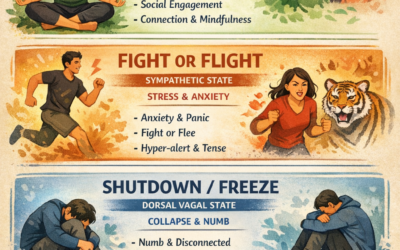
How Trauma Lives in the Nervous System, Not Just the Mind
How Trauma Lives in the Nervous System, Not Just the Mind For decades, trauma has been framed as something that lives primarily in our thoughts: distorted beliefs, painful memories, or unresolved emotions. While the mind absolutely plays a role, this perspective...

Depression and the Dorsal Vagal Shutdown: Understanding Emotional Numbness
Depression and the Dorsal Vagal Shutdown: Understanding Emotional Numbness Depression isn’t always loud.Sometimes it doesn’t look like sadness or tears or despair. Sometimes it looks like nothing. No motivation.No spark.No sense of connection—to others, to joy, or...

Anxiety Through the Nervous System: When Your Body Thinks You’re Not Safe
Anxiety doesn’t start in your thoughts.It starts in your body. Before your brain forms a single worry, your nervous system is already scanning the environment, your relationships, and even your internal sensations asking one essential question: “Am I safe right now?”...

A Gentle New Year: Manifesting Goals Without Overwhelming Your Nervous System
The start of a new year often arrives carrying a heavy message: reinvent yourself.Set big goals. Be better. Do more. For many people, this pressure doesn’t feel inspiring—it feels dysregulating. If your nervous system is already carrying stress, grief, burnout, or...

Coping With Family and Setting Boundaries Through a Polyvagal Lens
Family relationships have a unique way of activating our nervous system. Even when we deeply love the people we’re around, being with family can bring up anxiety, guilt, shutdown, or emotional overwhelm. If you’ve ever wondered “Why do I feel like a different version...
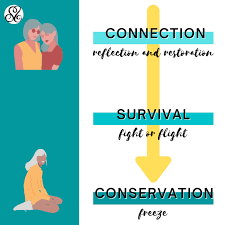
Coping With Loss During the Holidays: A Polyvagal-Informed Approach
The holidays are often portrayed as a season of joy, connection, and celebration. Yet for many people, this time of year amplifies grief, loneliness, and a deep sense of loss. Whether you are mourning the death of a loved one, the loss of a relationship, estrangement...