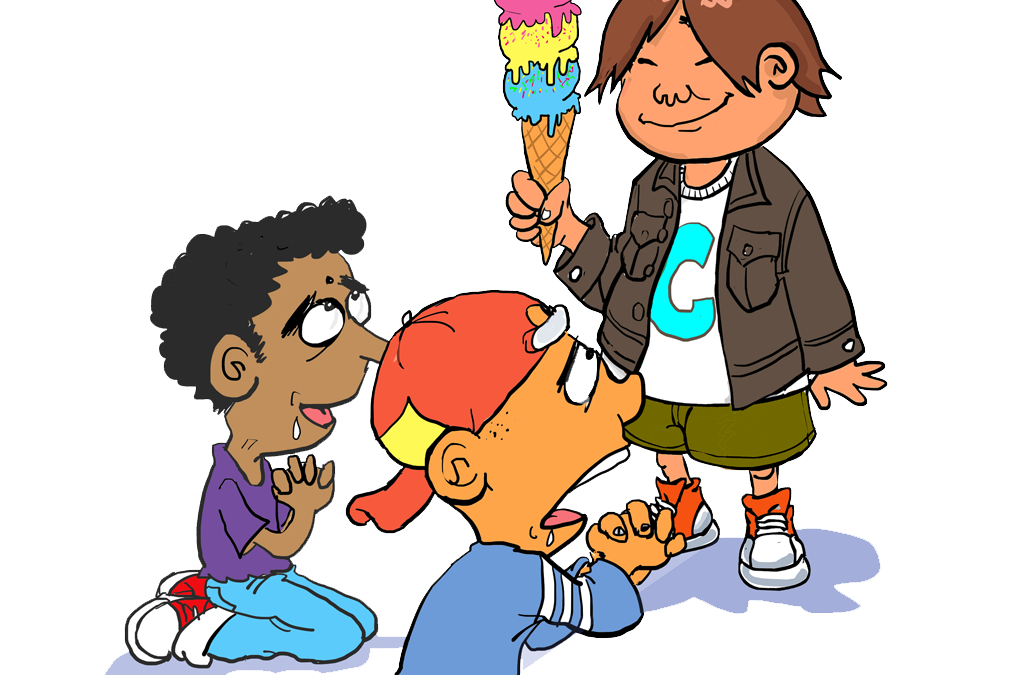
Fawning as a Survival Response: People-Pleasing and the Nervous System
Have you ever found yourself saying “yes” when you meant “no”?
Overexplaining to avoid disappointing someone?
Feeling responsible for other people’s emotions while losing touch with your own?
Many people label this as being “too nice,” weak boundaries, or low self-esteem. But for many individuals, people-pleasing is not simply a personality trait — it is a nervous system survival response.
This response is often called fawning.
Understanding fawning through the lens of the nervous system and the Polyvagal Theory can help reduce shame and create a path toward healing, self-trust, and authentic connection.
What Is the Fawn Response?
Most people are familiar with the survival responses of fight, flight, and freeze. But trauma therapist Pete Walkerpopularized a fourth response: fawn.
Fawning is when a person attempts to stay emotionally or physically safe by:
- Appeasing others
- Avoiding conflict
- Prioritizing others’ needs over their own
- Becoming highly attuned to others’ emotions
- Suppressing their authentic feelings, wants, or boundaries
At its core, fawning says:
“If I keep everyone happy, maybe I’ll stay safe, loved, accepted, or avoid abandonment.”
This is not manipulation. It is adaptation.
For many people, fawning developed in environments where direct expression of needs, emotions, or boundaries felt unsafe.
How the Nervous System Learns People-Pleasing
The nervous system is constantly asking one question:
“Am I safe?”
When a child grows up in an unpredictable, emotionally volatile, rejecting, critical, or emotionally enmeshed environment, the nervous system learns to scan for cues of danger in relationships.
The child may unconsciously discover:
- “If I upset people, I lose connection.”
- “If I have needs, I become a burden.”
- “If I disappoint others, I may be rejected.”
- “If I stay agreeable, helpful, or easy, I can maintain safety.”
Over time, the nervous system wires itself around relational survival.
The person becomes highly skilled at:
- Reading moods
- Anticipating needs
- Avoiding tension
- Managing others’ emotional states
- Shape-shifting to fit expectations
This can look like empathy from the outside. Sometimes it is. But internally, it may feel exhausting, hypervigilant, and disconnected from the self.
Fawning and the Polyvagal Theory
According to Polyvagal Theory, the nervous system moves through different states depending on whether it perceives safety or threat.
Fawning is often associated with a blend of:
- Sympathetic activation (anxiety, hypervigilance)
- Paired with social engagement behaviors aimed at maintaining connection
In other words, the body may feel internally anxious while externally appearing calm, accommodating, cheerful, or helpful.
A person in a fawn response may:
- Smile while overwhelmed
- Agree while resentful
- Caretake while depleted
- Stay emotionally available while abandoning themselves internally
Because connection can feel linked to survival, setting boundaries may trigger intense nervous system reactions such as:
- Guilt
- Panic
- Shame
- Fear of rejection
- Fear of abandonment
- Feeling “selfish”
Even healthy conflict can feel dangerous to the body.
Signs You May Be Stuck in a Fawn Response
Some common signs include:
- Difficulty identifying your own needs or preferences
- Chronic over-apologizing
- Feeling responsible for others’ emotions
- Fear of disappointing people
- Struggling to say no
- Conflict avoidance
- Over-giving or over-functioning in relationships
- Feeling resentful after helping others
- Seeking validation or reassurance to feel secure
- Changing yourself depending on who you’re around
- Feeling emotionally exhausted in relationships
- Losing your sense of identity
Many people who fawn also describe feeling:
- Burnt out
- Anxious
- Disconnected from themselves
- Unsure who they truly are outside of others’ expectations
Why People-Pleasing Often Leads to Burnout
Fawning can create temporary relational safety, but it often comes at a cost.
When someone chronically suppresses:
- Their needs
- Their emotions
- Their boundaries
- Their truth
…the nervous system eventually becomes depleted.
This can contribute to:
- Anxiety
- Depression
- Chronic stress
- Emotional numbness
- Resentment
- Relationship dissatisfaction
- Identity confusion
- Burnout
The body was never designed to remain in constant self-abandonment.
Healing the Fawn Response
Healing does not mean becoming cold, selfish, or uncaring.
It means learning that:
- Your needs matter too
- Boundaries are safe
- Conflict does not automatically equal abandonment
- Authenticity is safer than chronic performance
- Connection does not require self-erasure
Healing often involves helping the nervous system experience safety while practicing new relational patterns.
Some healing practices may include:
1. Learning to Notice Your Body’s Responses
Begin observing:
- What happens in your body when you want to say no?
- What sensations arise when someone is disappointed?
- When do you feel pressure to perform, fix, or appease?
Awareness creates choice.
2. Identifying Your Own Needs and Preferences
Many chronic people-pleasers are disconnected from themselves because they learned to focus outward for safety.
Start small:
- What do I actually want right now?
- What feels draining?
- What feels nourishing?
- What do I prefer — not what others prefer?
3. Practicing Safe Boundaries
Boundaries are not punishment. They are nervous system protection.
Small examples:
- Delaying your response before automatically saying yes
- Letting someone experience disappointment
- Saying “I need to think about it”
- Allowing yourself to have different opinions
The goal is not perfection. It is tolerating authenticity.
4. Working With Nervous System Regulation
Because fawning is physiological, healing often requires more than insight alone.
Practices that support regulation may include:
- Breathwork
- Grounding exercises
- Somatic therapy
- Mindfulness
- Trauma-informed therapy
- Movement
- Co-regulation with safe people
Healing happens not just through understanding, but through embodied experiences of safety.
You Are Allowed to Exist as Yourself
One of the hardest parts of healing from fawning is grieving how much of yourself was organized around keeping others comfortable.
But people who learned to fawn are not weak.
They are often deeply adaptive, emotionally intelligent, perceptive, and caring.
The problem is not caring about others.
The problem is believing your worth, safety, or belonging depends on abandoning yourself.
Real healing is not learning how to please everyone better.
It is learning that you can stay connected to others without disconnecting from yourself.