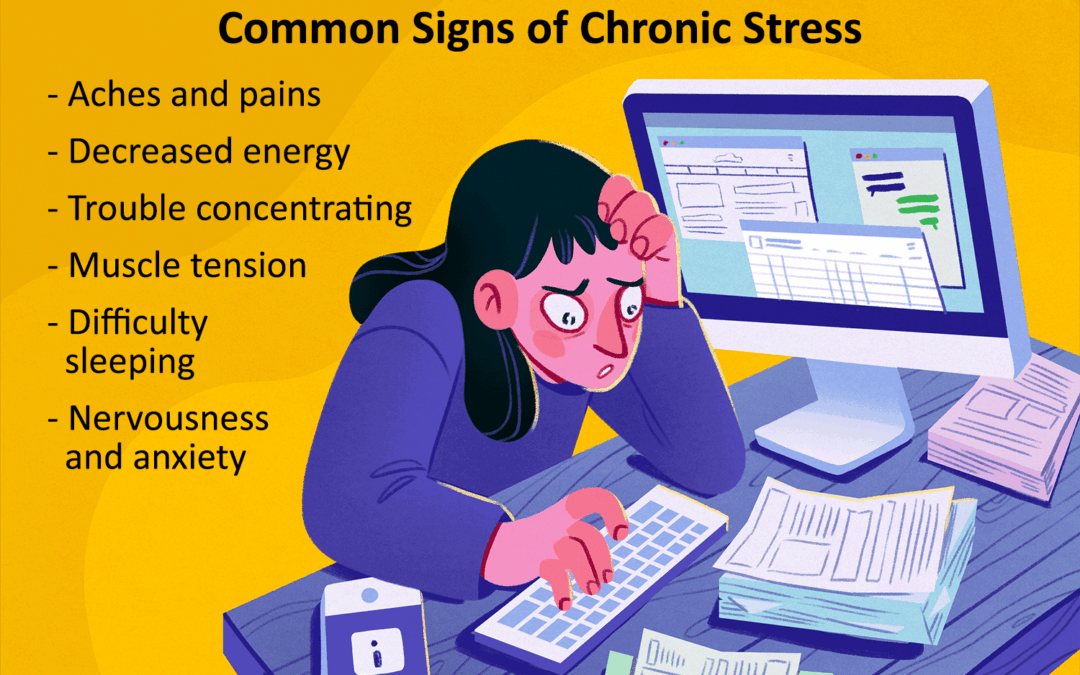
How Chronic Stress Reshapes the Nervous System
Most people think of stress as something temporary—a difficult week at work, a financial challenge, a relationship conflict, or a major life transition. We expect stress to come and go. But when stress becomes chronic, it does more than affect our mood. It begins to reshape the way our nervous system functions.
Over time, chronic stress can change how we think, feel, react, connect with others, and even how safe we perceive the world to be. Understanding these changes can help us stop blaming ourselves for our reactions and begin supporting our nervous system in the ways it truly needs.
Your Nervous System Is Always Asking One Question
According to Polyvagal Theory, your nervous system is constantly scanning your environment for cues of safety and danger. This process happens automatically and often outside of conscious awareness.
When your nervous system detects safety, you can access your social engagement system. You feel connected, curious, calm, and capable of handling life’s challenges.
When it detects danger, your nervous system shifts into survival states designed to protect you. These responses are not choices; they are biological adaptations meant to keep you alive.
The problem is that chronic stress teaches the nervous system that danger is everywhere.
The Brain Learns What It Repeats
The nervous system is remarkably adaptable. This ability, known as neuroplasticity, allows it to learn from repeated experiences.
When stress is ongoing, the brain becomes increasingly efficient at recognizing and responding to potential threats. While this may have been helpful during a short-term crisis, it becomes problematic when the body remains stuck in survival mode for months or years.
As a result, the nervous system may begin to:
-
Become hypervigilant
-
React more intensely to minor stressors
-
Have difficulty relaxing
-
Struggle to distinguish real danger from perceived danger
-
Stay on high alert even when circumstances improve
In essence, the nervous system starts practicing survival so often that survival becomes its default setting.
The Fight-or-Flight System Becomes Overactive
When chronic stress keeps the sympathetic nervous system activated, the body becomes accustomed to operating in fight-or-flight mode.
You may notice symptoms such as:
Many people assume these experiences are personality traits or signs that something is wrong with them. In reality, these are often signs of a nervous system that has spent too much time preparing for danger.
Your body is doing exactly what it learned to do.
Chronic Stress Can Lead to Shutdown
Not everyone responds to chronic stress with anxiety or hyperactivity.
When the nervous system determines that fighting or escaping is no longer possible, it may shift into a shutdown response. This state is associated with the dorsal vagal branch of the autonomic nervous system.
Common signs include:
Many people judge themselves harshly during these periods. They tell themselves they are lazy, broken, or lacking willpower.
But from a nervous system perspective, shutdown is not weakness. It is a protective survival response designed to conserve energy when the body perceives overwhelming stress.
Relationships Often Feel Harder
One of the most overlooked effects of chronic stress is how it impacts relationships.
When your nervous system is stuck in survival mode, connection becomes more difficult. You may:
-
Misinterpret neutral situations as threatening
-
Become defensive more easily
-
Struggle to trust others
-
Feel emotionally reactive
-
Withdraw from loved ones
-
Crave reassurance while simultaneously pushing people away
Because relationships are one of the primary sources of co-regulation, chronic stress can create a painful cycle. The more dysregulated we become, the harder connection feels. The less connected we feel, the more dysregulated we become.
Chronic Stress Changes How We Experience the World
Over time, chronic stress doesn’t just affect isolated moments. It changes the lens through which we view life.
Situations that once felt manageable may now feel overwhelming.
Small setbacks may feel catastrophic.
Rest may feel uncomfortable.
Moments of calm may feel unfamiliar or even unsafe.
This occurs because the nervous system has adapted to expect stress. When calm appears, the body may not immediately recognize it as safe.
For many people, healing involves learning how to tolerate safety just as much as learning how to manage stress.
The Good News: The Nervous System Can Change Again
The same neuroplasticity that allowed chronic stress to reshape the nervous system can also support healing.
The goal is not to eliminate stress completely. Stress is a normal part of being human.
The goal is to help the nervous system experience enough moments of safety, connection, and regulation that it begins to build new patterns.
This might include:
-
Practicing mindful awareness of bodily sensations
-
Building supportive relationships
-
Improving sleep habits
-
Spending time in nature
-
Engaging in gentle movement
-
Learning self-regulation skills
-
Working with a therapist trained in trauma and nervous system-informed approaches
Healing does not happen by forcing yourself to think differently. It happens by helping your nervous system experience something different.
Final Thoughts
If you’ve been living under chronic stress, it’s important to remember that your reactions make sense.
Your anxiety, hypervigilance, emotional numbness, exhaustion, or relationship struggles may not be signs that you’re broken. They may be signs that your nervous system has been working overtime to protect you.
The nervous system is adaptive. It changes based on experience.
And just as chronic stress can shape it toward survival, intentional experiences of safety, connection, and regulation can help shape it toward resilience.
Healing begins when we stop asking, “What’s wrong with me?” and start asking, “What has my nervous system been trying to protect me from?”